
• Skip to main content
  • Skip to navigation
  • Accessibility
  • Contact Us
Government of Western Australia Crest
Government of Western Australia
Government of Western Australia Crest

Additional Menu

  • Accessibility
  • Contact us
Go to WA Government search
  • About us
    • About CAHS
    • Health Service Board
      • Frequently asked questions
    • Executive team
    • Our performance
    • Annual Reports
    • Strategies and plans
    • Acknowledgement of Country
    • Conduct standards
      • Public Interest Disclosure
      • Reporting misconduct
    • Annual Excellence Awards
    • Contact us
  • Our services
    • Neonatology
      • Neonatal Units
      • For parents and carers
      • Newborn Emergency Transport Service
      • The Perron Rotary Express Milk (PREM) Bank
      • Neonatal Follow up Program
      • Neonatology Clinical Research
      • Neonatology clinical guidelines
      • NETS WA clinical guidelines
      • Compliments and complaints
      • Neonatology Resources
      • Contact us
    • Community Health
      • Aboriginal Health Team
      • Child Health
      • Child Development Service
      • Immunisation
      • Refugee Health
      • School Health
      • Healthy Lifestyle Program
      • Bedwetting program
      • Compliments and complaints
      • Contact us
    • Mental Health
      • About us
      • Get help
      • Your healthcare rights
      • CAMHS Crisis Connect
      • Community CAMHS
      • Specialist services and day programs
      • Hospital services
      • Aboriginal Mental Health
      • For families and young people
      • Compliments and complaints
      • Contact us
    • Perth Children's Hospital
    • Children's Hospice Project
    • Community Hubs
    • First 1,000 Days Framework
  • For families and carers
    • COVID-19
      • Visiting CAHS sites
      • COVID-19 and children
      • Vaccination
      • Resources
    • Accessing or updating medical records
    • Being involved in your child's care
      • Your healthcare rights
      • Your child's medical record
      • Informed consent
      • Shared decision making
    • Consumer engagement
      • Become a consumer representative
      • Community Ambassador Program
      • Consumer groups and committees
      • Consumer Engagement Strategy
    • Compliments and complaints
      • Feedback form
      • You Said, We Did
      • Stars of CAHS Awards
    • Safety and quality of care
      • Preventing infections
      • Patient safety
      • Protecting the vulnerable
      • Listening and communicating with our consumers
    • QRious Health Hub for young people
    • Resources
    • Telehealth
  • For health professionals
    • Work with us
      • Careers at CAHS
      • Our vacancies
      • Why work for us?
    • Resources
      • Community Health Clinical Nursing Manual
      • Aboriginal child health resources
      • CAHS Clinical Disclaimer
      • Neonatology guidelines
      • Neonatology Postnatal Ward guidelines
      • Newborn Emergency Transport Service WA guidelines
      • Schools and Child Care
    • CAHS Medical Library
    • CAHS Child Safeguarding Unit
    • Referrals to our services
      • Community Health
      • Mental Health
      • Newborn Emergency Transport Service
  • Research
    • For families
    • For researchers
      • Ethics and governance
      • Support and development
      • Research Education Program
      • Events
      • Resources
    • Explore our research
      • ACORN project
      • Early Moves
      • FH in Kids
      • Food Allergy Clinical Research Program
      • Healthy Lifestyle Program
      • Move to Improve
      • Safer Care for Children in Hospital research program
      • Research by department
    • For industry and sponsors: clinical trials
  1. Home
  2. News
  3. 2026
  4. 03
  5. 03
  6. New papers challenge health systems to rethink rare diseases

New papers challenge health systems to rethink rare diseases
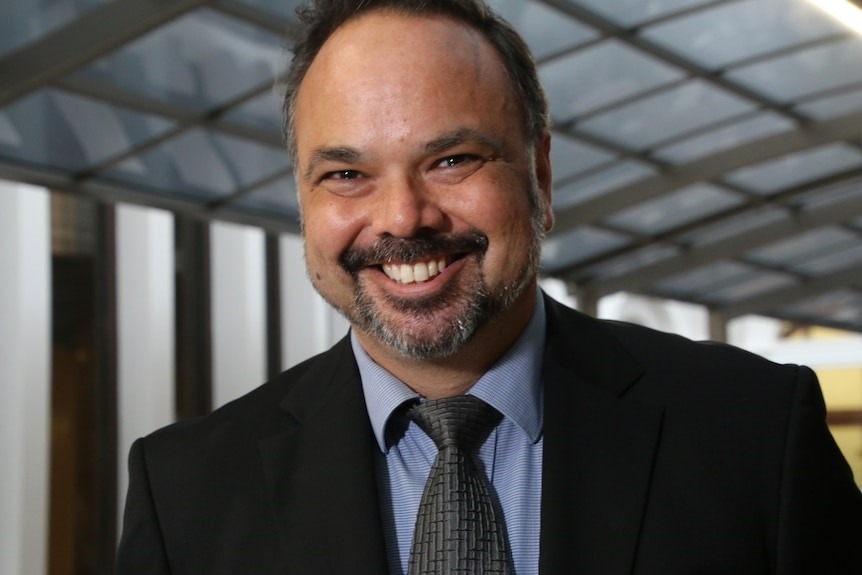
Child and Adolescent Health Service clinician Dr Gareth Baynam contributes to two landmark papers calling for global action on rare diseases.

New papers challenge health systems to rethink rare diseases

Dr Gareth Baynam Dr Gareth Baynam
28/02/2026

As the world marks Rare Disease Day, two influential new papers are prompting renewed calls for global action to improve the lives of more than 300 million people living with a rare disease.

Perth-based clinician and researcher Dr Gareth Baynam, Medical Director of the Rare Care Centre at the Child and Adolescent Health Service (CAHS), has co-authored both papers – one with the World Economic Forum (WEF) and another published in The Lancet.

Together, the papers challenge health systems, policymakers and researchers worldwide to think bigger and act faster on rare diseases by strengthening global data systems and changing the language used in clinical care and research.

A multitrillion dollar case for investment

The WEF white paper, Making Rare Diseases Count: How Better Data Can Unlock a Multitrillion Dollar Opportunity, outlines the scale of untapped value that could be realised through coordinated investment in rare disease data systems.

The report states that rare diseases collectively impose a global annual cost exceeding US$7 trillion, with most of the burden hidden in fragmented, poorly measured systems.

It argues that better data is essential to “turn a multitrillion dollar challenge into a shared opportunity for innovation and impact”.

The paper also notes that rare disease innovation drives medical progress more broadly, stating that “the innovations incubated in this space… have transformed medicine itself.”

Dr Baynam said the WEF paper highlights why rare disease must be viewed as a global public health priority, not a niche issue.

“Rare diseases are individually rare but collectively common – and the data shows the case for investment is overwhelming,” Dr Baynam said.

“Better data means earlier diagnosis, smarter care, reduced suffering and death, stronger research and real economic value for society.”

“When we make rare diseases count, we improve systems for everyone.”

A call for systemic and empathetic language

In a separate article published in The Lancet, Language in Rare Disease: A call for systemic and empathetic action, Dr Baynam and co-authors argue that language is a powerful but often overlooked driver of health outcomes.

The paper emphasises that kind, accurate and person centred communication is “the first pillar of ethical engagement and a therapeutic imperative,” noting that language used by clinicians “can either build a bridge or erect a wall” for families navigating rare disease diagnoses.

It also calls for global action on standardised terminology and improved disease coding.

“The inconsistent use of disease names, outdated classifications, and lack of sufficient codes… obscures the true prevalence of rare diseases, impedes access to treatments and limits research coordination.”

Dr Baynam said language is a lever for equity.

“Language shapes care, shapes research and shapes people’s lives,” he said.

“When we choose words that are precise and culturally respectful, we create better pathways to diagnosis, support and understanding.”

Messages resonating on Rare Disease Day

Rare Disease Day is observed annually to raise awareness and improve outcomes for people living with rare, genetic and undiagnosed conditions.

Dr Baynam said this year’s messages feel particularly significant.

“These papers remind us that progress is both possible and urgently needed.”

“People living with a rare disease, their families and those who care for them deserve systems built on kindness, accuracy and evidence.”

Read the papers:

  • Making Rare Diseases Count: How Better Data Can Unlock a Multitrillion Dollar Opportunity (World Economic Forum)
  • Language in Rare Disease – A call for systemic and empathetic action (The Lancet)

Previous Next
Last Updated: 03/03/2026
  • Facebook
  • Instagram
  • YouTube

Footer menu

  • wa.gov.au
  • Copyright
  • Disclaimer
  • Privacy
  • Sitemap
  • Contact Us

Brought to you by the Department of Health, Western Australia

© Government of Western Australia 2018 to